A geographer’s explainer that Civil Beat republished on Sept. 16 starts from a joke: that Hawaii has a force field keeping hurricanes away. Its case: in 2026 the force field seems to be down, and Lala in August and Lowell in September are the evidence. We stay in Waikiki for weeks at a time, and our takeaway for a fall trip is not “skip it.” It is to know, before paying, which parts of a trip can bend if a storm gets a name. The season runs through Nov. 30.
What happened
The piece is by Nicholas Grondin, a recent geography PhD from the University of Tennessee, first published by The Conversation and republished by Civil Beat. Hawaii is usually spared, it says, because the islands are “a pretty small target over the vast Pacific Ocean,” and because the water to the east, where most approaching storms come from, is cooler, so hurricanes “tend to weaken and fizzle out as they approach the islands.”
This year, the piece says, “a few things are keeping that force field down,” and El Niño is one of them: “During strong El Niño years, like 2026, the tropical Pacific is much warmer than normal.” Lala came in from the east at a lower latitude and strengthened over warmer-than-normal water, and the piece says it brought hurricane-force winds to the Big Island for the first time since 1871. Lowell tracked south of the islands, then turned sharply north instead of being steered west as usual, which the author ties to a low-pressure trough. Its eyewall brushed Niihau on Sept. 8, and “tropical storm conditions reached as far as Honolulu.”
NOAA’s preseason outlook in May pointed the same way. As reported by Maui Now, it gave the central Pacific a 70% chance of an above-normal season, with 5 to 13 tropical cyclones against a normal of 4 or 5, and said plainly that it “is not a landfall forecast.” For fall travelers, the explainer’s key line is this: “Generally, as the season progresses into fall, hurricanes near Hawai’i become less likely.”
What it changes for a Waikiki stay
A trend piece cannot tell anyone what happens on their dates. What this summer did show is which parts of a trip move when a storm comes close:
| Piece of the trip | What happened in 2026 | Source |
|---|---|---|
| Flights | During Lala, Hawaiian and Alaska let travelers with flights Friday through Sunday change or cancel, later extended to travel through Monday. The airlines reported 112 neighbor island and 31 transpacific flights canceled that weekend. | Star-Advertiser |
| State park reservations | Paid reservations for a day the park was closed by the storm are refunded automatically, minus nonrefundable service charges; with so many pending, a refund may take four to six weeks to reach a credit card statement. | A state Department of Land and Natural Resources spokesperson, in the Star-Advertiser’s Kokua Line, Aug. 25 |
| Kauai plans | After Lowell, visitors with upcoming Kauai plans were advised to reschedule or consider another island, contacting travel providers directly. | Hawaii Tourism Authority, as reported by Go Visit Hawaii, Sept. 10 |
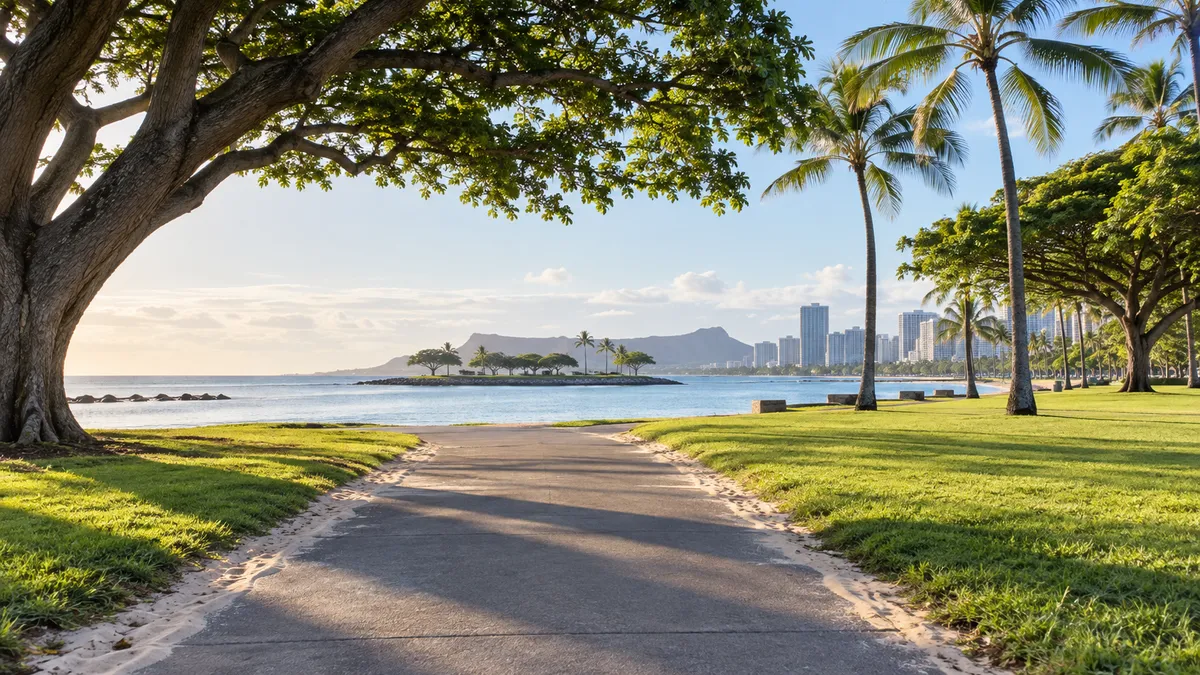
| An Oahu beach park | Ala Moana Regional Park closed for sand cleanup and reopened Sept. 10. | Our writeup |
The tourism authority was not saying “stay away.” Its chief administrative officer, David Uchiyama, told visitors “you still can come” on a Hawaii Public Radio segment posted Sept. 10, though an itinerary “may need to change slightly.”
What moved were the dated things: a flight on a given day, a park slot on a given day, a neighbor-island leg. The money for a closed park is refunded automatically, though it may take weeks to show up. The day itself cannot be refunded.
What we would do — and what we wouldn’t
We would not cancel or push back a fall Waikiki stay over this piece. The same author says hurricanes near Hawaii generally get less likely as fall goes on, and NOAA says its outlook is not about where or when. That is our call on our own trips, not a verdict on yours.
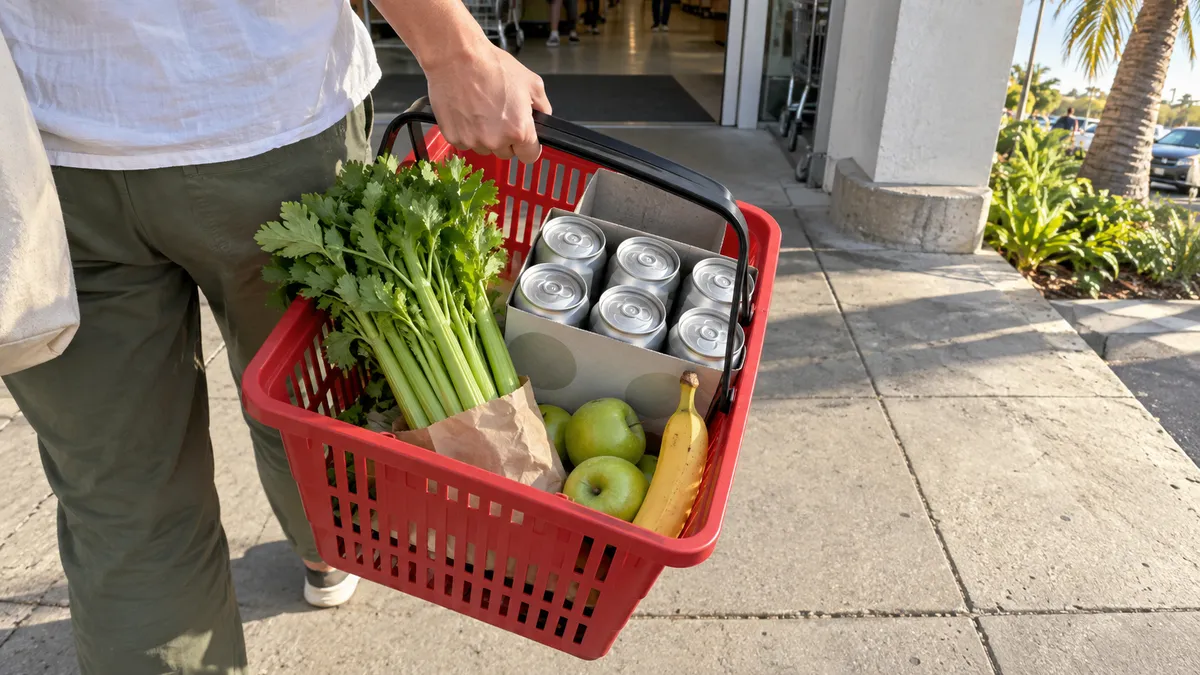
This summer, when Fausto, Lala and Moke came near, we did the same small thing all three times: moved the big grocery run up a day and bought a few bottles of drinking water. We normally drink tap water through a filter pitcher, and an outage or a water shutoff leaves the pitcher with nothing to filter. Our stays run a few weeks, so a flight that slides a day or two gets absorbed at one end or the other. During the season we just glance at whether anything big is forecast near our flight dates.
For a fall booking this year, we would add:
- Read what each piece does if a storm gets a name, before paying. The flight’s fare rules. For HGV owners, the points reservation’s cancellation terms in the member portal (we won’t guess at them here). Anything prepaid for a fixed date.
- Keep dated bookings few. We don’t hike, so we never book Diamond Head’s timed entry. If you do, plan around that possible four-to-six-week wait for a refund, which may land after you are home.
- Hold the neighbor-island leg most loosely. We don’t island-hop on our current trips, but this summer that leg moved most: most of the flights canceled during Lala were neighbor island ones, and after Lowell it was Kauai plans visitors were asked to change.
- On insurance, ask about timing, not just price. We are not going to pick a policy for anyone. The National Association of Insurance Commissioners’ travel insurance page suggests checking what a policy excludes, not only what it includes, and describes cancel-for-any-reason coverage as a partial refund of 50% to 75% of the total price that “typically” only lets you cancel 48 hours or more before departure. For a fall trip, we would ask any policy whether it still covers a storm that already has a name on the day you buy it; that answer is in the policy wording.
If your dates cannot move at all (a school break, a wedding, a four-night trip), every question above matters more for you than for us.
Before you plan around this
The force-field argument is one geographer’s explainer, not an agency forecast, and the “first time since 1871” line is as the piece states it; we did not check it against the historical record. The waivers, refund timing and Kauai advice applied to Lala and Lowell, and the next storm’s waiver, if there is one, will carry its own dates. The NAIC page was last updated April 1, 2026. Everything here was checked Sept. 16, Hawaii time.
If a storm shows up near your dates, check the Central Pacific Hurricane Center for the storm itself, NWS Honolulu for the watches and warnings on your island, and your airline’s travel advisory page before changing anything. Our notes from the Sunday before Lowell walk through how those advisories read for a Waikiki week.
The short version: the season is not over, fall is its quieter end by the explainer’s account, and what is worth knowing now is which parts of your booking can move.
This is our own trip planning as of September 2026, not insurance, financial or legal advice; check current terms with your airline, your insurer and, for points stays, Hilton Grand Vacations.