Prices in the Honolulu area are up 5.2% from a year ago, and the item leading the climb is gasoline, up 21.6%. That is the headline from the latest federal price report. We read it the way any regular visitor would: which of these lines will show up on our own receipts in Waikiki, and which ones belong to people who live here or drive here? For a couple who stays for weeks and never rents a car, the answer is less dramatic than the headline.
What happened
On October 14, 2026, the U.S. Bureau of Labor Statistics released its Consumer Price Index for Urban Hawaii, covering the two months ending in September 2026. In the release’s own words, “Area prices were up 0.2 percent over the past two months, up 5.2 percent from a year ago.” Hawaii’s index comes out every two months, not monthly, and the next one (for November) is scheduled for December 10, 2026.
We first saw the numbers in a Japanese-language Hawaii news roundup published November 8, then checked every figure below against the BLS release itself. All are 12-month changes for Urban Hawaii unless we say otherwise:
| Item | 12 months to Sept. 2026 | Last 2 months (Jul. to Sept.) |
|---|---|---|
| All items | +5.2% | +0.2% |
| Energy | +20.9% | -0.7% |
| Gasoline (all types) | +21.6% | +0.1% |
| Food | +3.9% | +0.4% |
| Food at home (groceries) | +4.1% | +0.7% |
| Food away from home (restaurants) | +3.5% | 0.0% |
| Shelter | +4.2% | -0.5% |
| Rent of primary residence | +5.4% | +0.1% |
| All items less food and energy | +4.5% | +0.2% |
For comparison, the national CPI release issued the same day put the U.S. all-items index up 3.7% over 12 months before seasonal adjustment, gasoline up 34.2%, and food away from home up 3.5%.
What it changes for a Waikiki stay
The CPI tracks what people living in the area pay, not what tourists pay, so a few lines need translating before they mean anything to a visitor.
Gasoline is the big one, and it is mostly a driver’s problem. If you rent a car, this is real money. AAA’s Hawaii page showed a statewide regular average of about $5.66 a gallon on November 8, 2026, against about $4.47 a year earlier, so roughly $1.20 more per gallon. In percentage terms, Hawaii’s 21.6% gasoline jump was actually smaller than the national 34.2% over the same 12 months.
Shelter is mostly residents’ housing, so it is no guide to your room rate. In the BLS index, shelter is mainly what people pay to live where they live, though it also includes a small “lodging away from home” piece that covers hotels and motels. The 5.4% rent figure is narrower still: what tenants pay for their primary home. The Hawaii release does not break shelter down to show the hotel piece, so there is no way to pull a room-rate number out of it, and we would not read this report as “hotels are 4% or 5% more.”
Food is where a visitor actually meets these numbers. Restaurant prices rose 3.5% over the year, the same as nationally, and were flat over the last two months. Groceries rose a bit faster, 4.1%. As a rough illustration, if a tab moved exactly with the index, a $100 restaurant check from last September would be about $103.50 now. That is noticeable, but it is not the number that should change whether you go.
Energy overall came down a little lately. The energy index fell 0.7% over the last two months even though it is up 20.9% on the year. Whether higher fuel costs show up in ride-hail or delivery prices, the release does not say, and we would not guess.
What we would do — and what we wouldn’t
We wouldn’t change our trip length. We already made the case in our look at whether a Waikiki trip is still worth it: the plane ticket costs the same for four nights or fourteen, so the fixed costs are cheapest per day on a long stay. Nothing in this report changes that math.
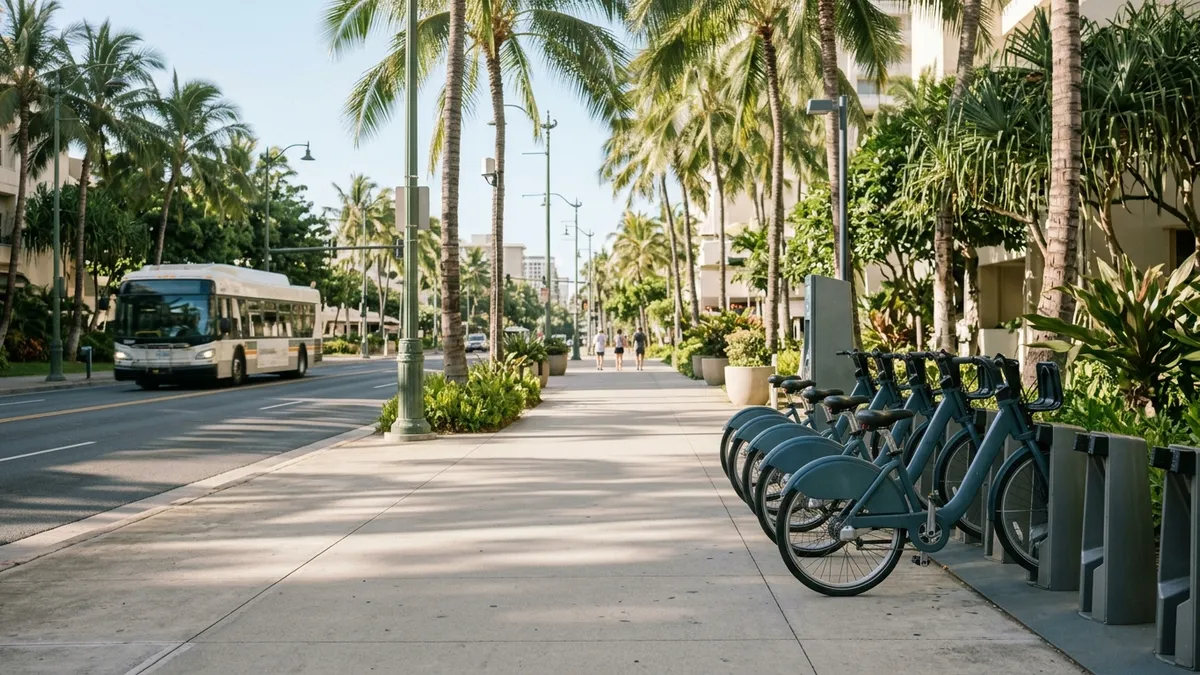
We wouldn’t feel the gasoline line. We don’t rent a car. Waikiki on foot, TheBus, the occasional Uber, and the Pink Line trolley to Ala Moana Center cover our whole range. If you are planning a driving-heavy trip, this is the report’s real warning: budget for the higher pump price, and think about whether you need the car every day or only for one or two outings.
We would lean on the habits that already keep food costs down. Our day runs on two things that happen to sit in the cheaper lines of this table:
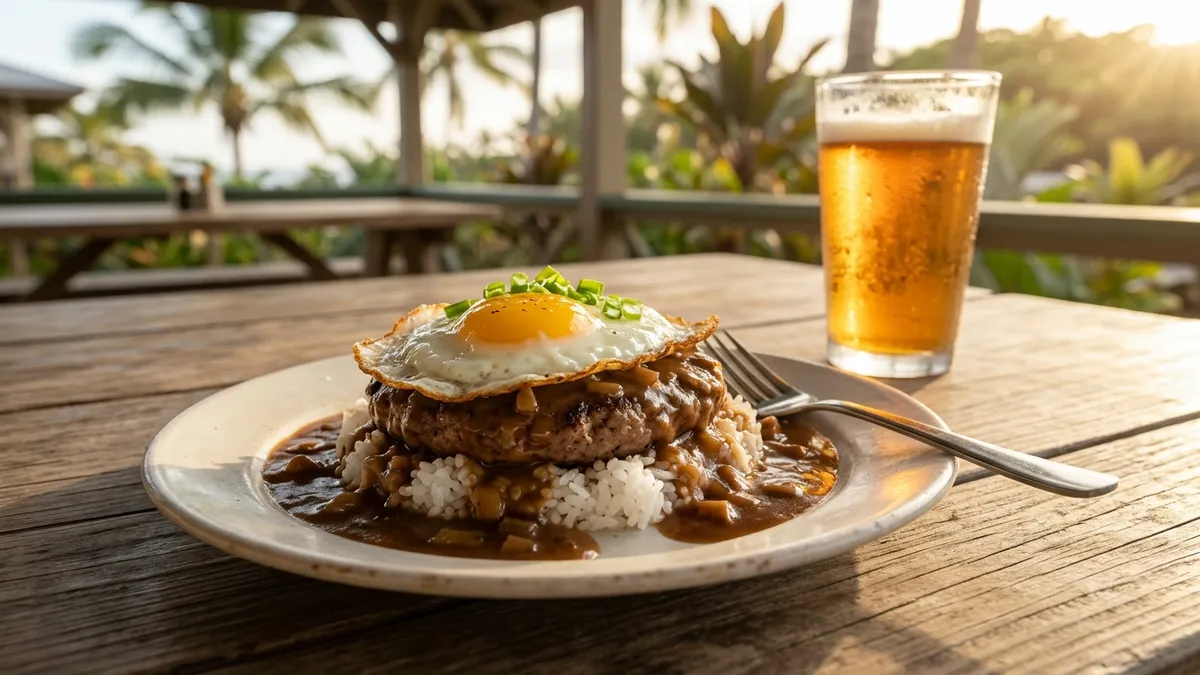
- An early happy hour instead of dinner. We eat at 2 pm, when weekday happy hours put discounted food on the table and there is no line. A place like Yard House Waikiki takes half off 14 select appetizers and all six pizzas Monday through Friday from 2:00 to 5:30 pm, dine-in only, while draft beer is only $2 off (per Yard House’s page for this location as of November 8, 2026; confirm before you go). A 3.5% rise on a discounted plate is a smaller dollar amount than the same rise on a full-price dinner.
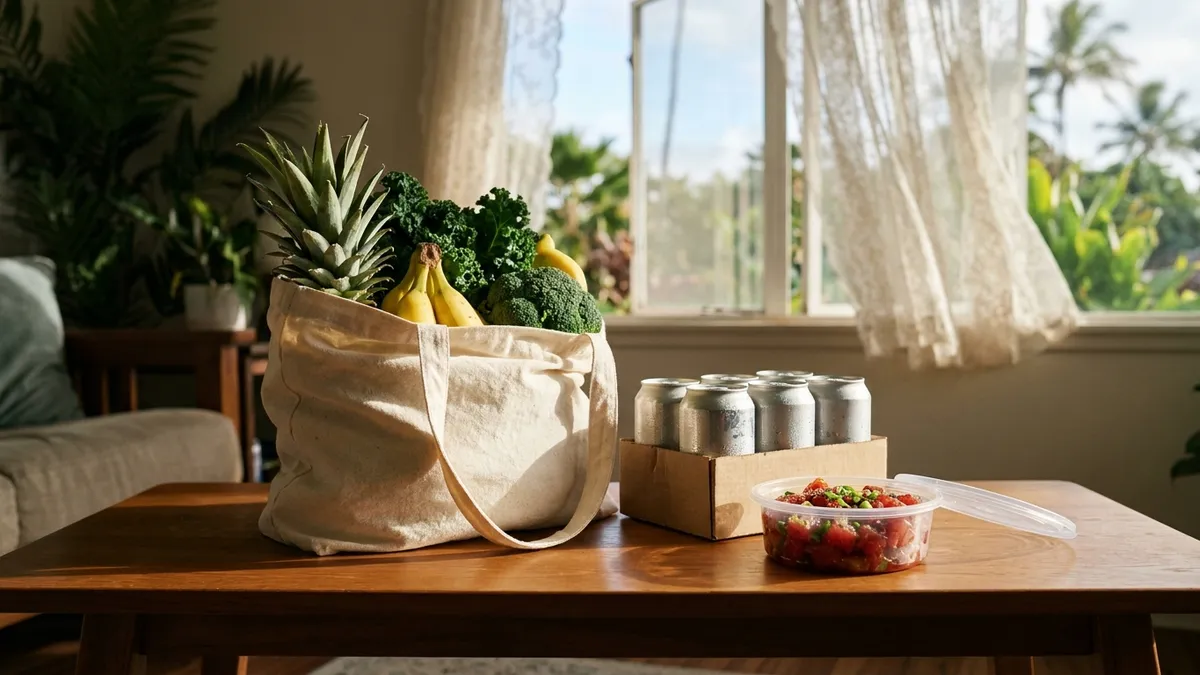
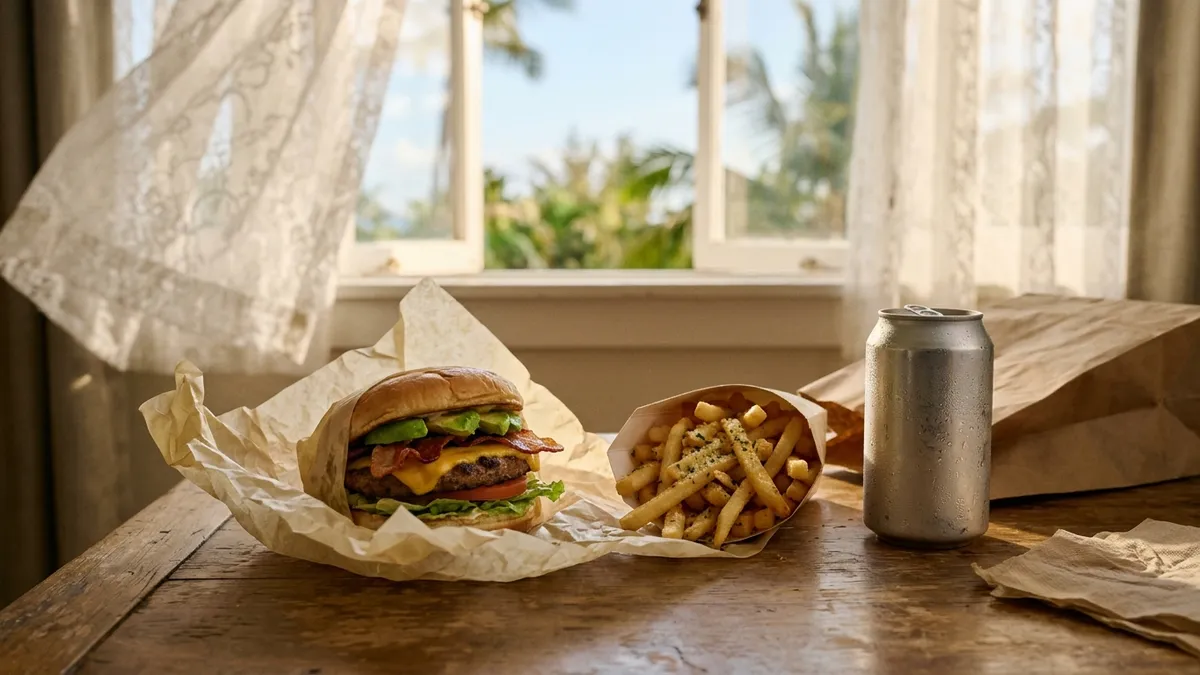
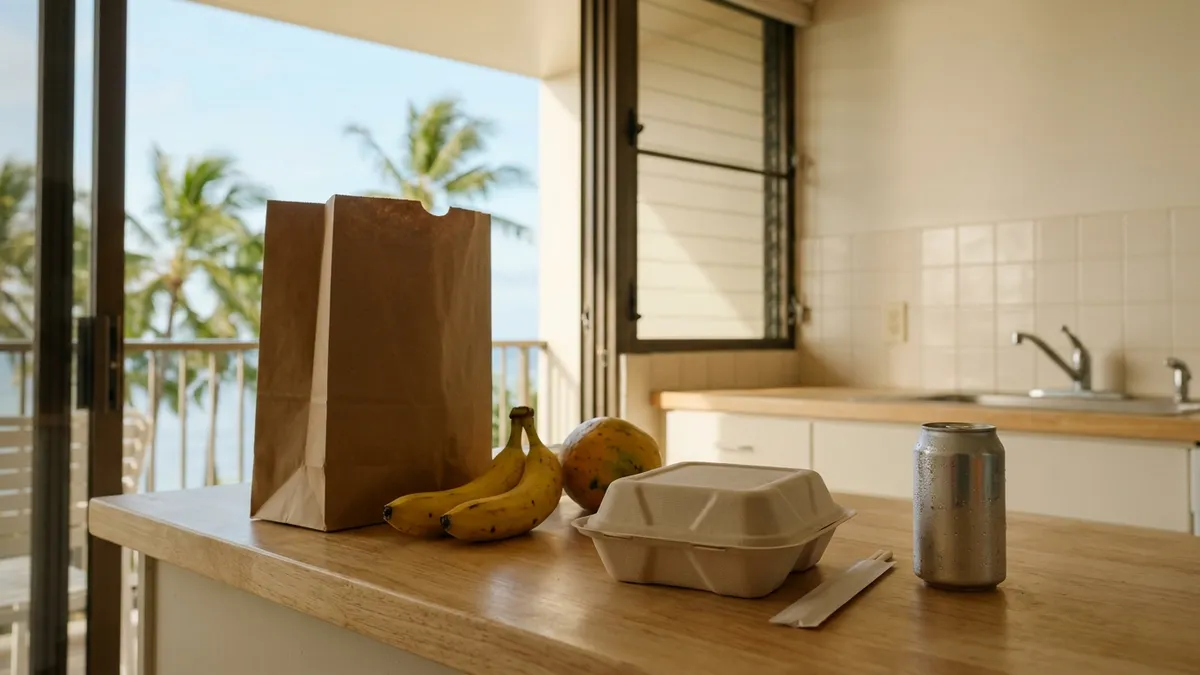
- Takeout and groceries in the room. Beer and wine from Longs, Target or Waikiki Market, ready-made poke, plate lunches eaten with the windows open. Groceries did rise faster than restaurants (4.1% versus 3.5%), so this is not a free pass. But a store-bought six-pack against a bar tab is a bigger gap than either number.
What we would not do is start hunting coupons or cross-checking store prices all afternoon. A few percent on food over a few weeks is real, but it is smaller than the cost of a vacation spent doing math.
Before you plan around this
- These are index changes for Urban Hawaii residents, not a visitor price survey. Individual menus, hotels and stores set their own prices, and some will have risen far more or less than the average.
- The figures come from the BLS release dated October 14, 2026, covering September 2026. The next Honolulu release is scheduled for December 10, 2026, and the numbers will move.
- The gas price is AAA’s statewide average as of November 8, 2026, and changes daily.
- Happy hour terms change. Check the restaurant’s own page before you build an afternoon around one.
The short version: if you are coming to Waikiki without a car, the most alarming number in this report mostly passes you by. Food is the line to watch, and the cheapest hour of the day to eat is still the one that starts in the early afternoon.