Hawaii’s Department of Health is investigating two confirmed cases of Legionnaires’ disease in visitors who stayed at one condo property on Kauai, Nihi Kai Villas. If you are booked in Waikiki, as we usually are, this is not a reason to change anything. But there is one detail in the notice that we think every mainland visitor should file away, and it has to do with the flight home.
What happened
On Nov. 4, 2026, the Hawaii State Department of Health announced that it is investigating two confirmed cases in “nonresident visitors who stayed at Nihi Kai Villas, a multibuilding condominium property on Kauaʻi.” Maui Now carried the same release the same day.
The key facts, all from the DOH release:
- DOH received water testing results from the property on Oct. 13, 2026, showing Legionella bacteria in its water systems. DOH says the findings indicate a potential ongoing risk of exposure for guests and residents.
- The exact source and how far exposure may have spread are still under investigation. DOH is working with the property and is reviewing possible cases back to January 2025.
- DOH has notified public health agencies nationwide and asked for reports of Legionnaires’ cases in people who traveled to Hawaii.
- In DOH’s words: “Legionnaires’ disease does not spread from person to person; the risk to the general public is low.”
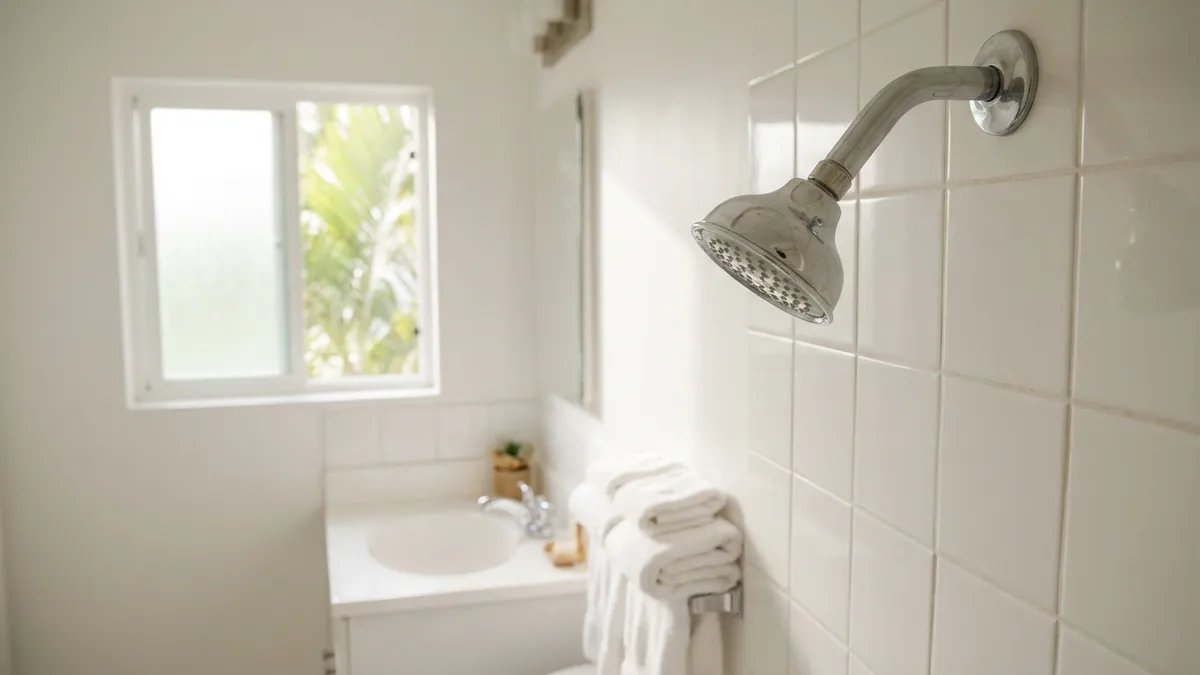
Legionnaires’ is a type of pneumonia. DOH says the bacteria occur naturally in fresh water and can grow in human-made water systems, listing showerheads, sink faucets, cooling towers, hot tubs and large plumbing systems. The CDC’s overview explains how people catch it: by breathing in mist that contains the bacteria.
What it changes for a Waikiki stay
For a Waikiki trip, the honest answer is very little. This is one named property on a different island, and DOH frames the general public risk as low. Nothing in the release points to any property on Oahu, other condos, or timeshare resorts.
Who the notice actually asks to act:
| If this is you | What DOH asks |
|---|---|
| Stayed at Nihi Kai Villas within the past two weeks and develop symptoms | Seek medical attention and call DOH’s Disease Outbreak Control Division at 808-586-4586 |
| Developed pneumonia within two weeks after staying there, any time since January 2025 | Contact DOH |
| Everyone else | No action requested in the release |
“The past two weeks” counts back from the Nov. 4 release, so roughly stays from late October on, though DOH does not give a cutoff date itself.
DOH lists the symptoms as cough, shortness of breath, fever, muscle aches and headache, typically appearing two to 14 days after exposure. The CDC adds that it can take longer, and that confusion, diarrhea or nausea can also occur. DOH says it is treatable with antibiotics.
What we would do — and what we wouldn’t
We would not cancel or rebook a Waikiki stay over this. Our base is Hokulani Waikiki, we stay for weeks, and we do not move around much once we land. One property on Kauai with a confirmed water problem does not tell us anything about the building we are in.
We also would not start emailing our resort asking for water test results. That is not a judgment on anyone who does; it is just that there is no notice pointing at Oahu, and we would rather not invent a worry. The CDC says building owners and managers can use a water management program to help control Legionella. If you want to ask a condo or timeshare about it, “do you have a water management program?” is the plain-English version of the question, and it is a fair one. We just would not lose sleep waiting for the answer.
What we would actually take from this is the timing. Two to 14 days after exposure means that for many mainland visitors, symptoms would start after the red-eye home, when Hawaii is already a vacation photo. DOH has asked health agencies across the country to report cases in people who traveled to Hawaii, so a case that starts on the mainland can still be traced back to a Hawaii stay. So if one of us came home from any trip with a cough and a fever that felt like more than a cold, we would tell the doctor where we stayed and when. That is a ten-second sentence, and it is the one thing in this story that applies to everybody.
If you are booked at Nihi Kai Villas specifically, we would call the property and ask what has been done since the Oct. 13 results, and keep the DOH number handy. That one is not our trip, so we are only passing along what the release says.
Before you plan around this
- The investigation is ongoing. DOH has not named the exact source, and the number of cases could change as the review of stays back to January 2025 continues.
- Everything above comes from the DOH release of Nov. 4, 2026, and the CDC overview, both checked Nov. 5, 2026. For updates, the DOH newsroom is the place to look, and the DOH info line is 808-586-4400.
- The CDC says most healthy people exposed to Legionella do not get sick. DOH lists people age 50 and older, current or former smokers, and people with chronic lung disease or weakened immune systems as being at higher risk.
- We are travelers, not doctors. If you have symptoms or questions about your own risk, talk to your healthcare provider.
For a Waikiki stay, the plan is the same as it was last week. The only new habit we would add is telling a doctor about the trip if something pneumonia-like shows up in the two weeks after you get home.